Blog
Understanding the Different Types of Insulation Materials for Optimal Home Comfort
Before diving into the types of insulation materials, it's important to understand why insulation is essential. The right insulation helps maintain your home's temperature, reducing the strain on heating and cooling systems and thus lowering energy bills. It also plays a vital role in noise reduction, enhancing the overall comfort of your living spaces.
Among the most popular types of insulation materials are fiberglass, cellulose, spray foam, and rigid foam. Each type offers unique benefits, and selecting the right one depends on your home's specific needs and your budget.
Fiberglass insulation is one of the most traditional options. Known for its affordability and versatility, fiberglass is made from fine strands of glass fibers and is typically installed in batts, rolls, or loose-fill. It’s an excellent choice for covering large areas and is especially effective in attics, walls, and floors. However, fiberglass requires careful installation as it can be irritative to the skin and respiratory system.
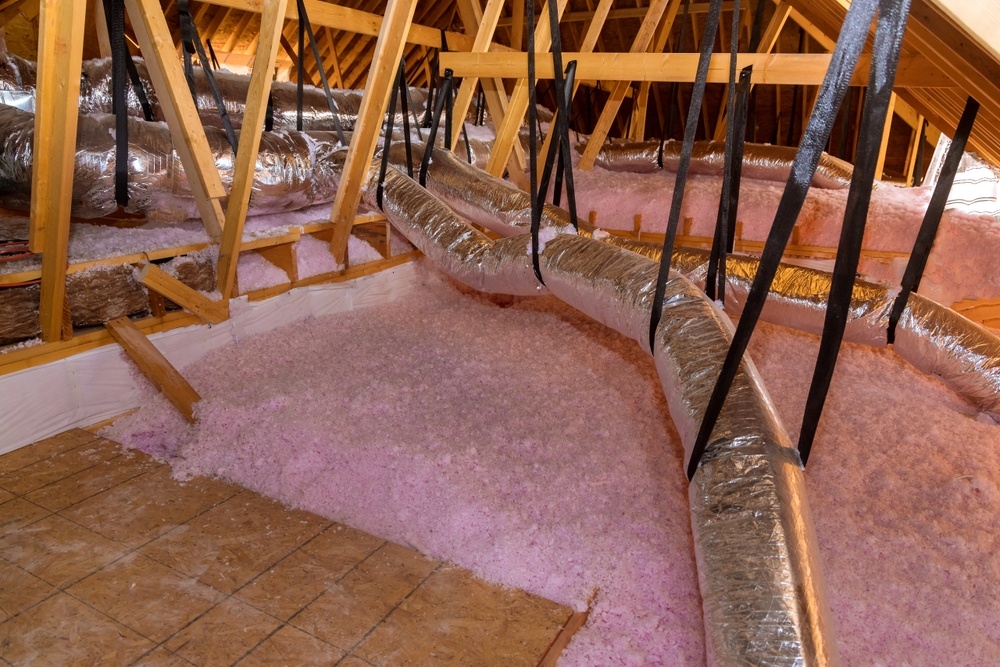
Cellulose insulation is an eco-friendly option, composed mostly of recycled paper products. It is often treated with fire-retardant chemicals to enhance safety. Loose-fill cellulose is blown into wall cavities and attics using special equipment, allowing it to fill spaces and gaps effectively. This type of insulation is noted for its superior ability to reduce air leaks and is quite effective in maintaining soundproofing.
Spray foam insulation offers superior air-sealing properties, making it a premium choice for homeowners seeking maximum energy efficiency. There are two types: open-cell and closed-cell spray foam. Open-cell is generally used for interior walls, offering excellent soundproofing and insulation at a lower density. Closed-cell is denser and can be used for both interior and exterior applications, providing exceptional water resistance and a high R-value, which measures thermal resistance. Though more expensive, spray foam can significantly reduce energy loss.
Rigid foam insulation, also known as foam board insulation, is made from polystyrene, polyurethane, or polyisocyanurate. It is ideal for insulating roofs, foundations, and basements due to its high insulating value per inch of thickness. Rigid foam boards come in various thicknesses and provide a continuous coverage that helps eliminate thermal bridging—a common source of heat loss through framing members such as wood studs.
In conclusion, choosing the right type of insulation material is key to creating a comfortable and energy-efficient home. Each material has its advantages and ideal applications. At Robinsons Insulation Company LLC, we understand the intricacies of insulation and are dedicated to providing tailored solutions that meet your specific needs. Our experienced team is ready to help you navigate through the choices and install the perfect insulation to ensure optimal comfort and savings.
Reach out to us today to learn more about your insulation options and discover how we can help improve your home's energy efficiency and indoor comfort. Trust Robinsons Insulation Company LLC to deliver quality, value, and comfort with every project.