Blog
The Environmental Impact of Quality Insulation: Creating Sustainable Homes
Insulation acts as a barrier to heat flow and is essential for keeping temperatures stable inside homes. Its primary role is to maintain a comfortable interior climate, reducing the need for excessive heating or cooling. But beyond personal comfort, the choice to install quality insulation has profound environmental implications.
Firstly, proper insulation leads to a significant reduction in energy consumption. Homes lose a large percentage of their heated air through walls and roofs that are poorly insulated. By enhancing insulation, homeowners can decrease their reliance on heating systems, resulting in lower energy use. This reduction in energy demand translates to fewer emissions from power plants, thus diminishing the carbon footprint of each household.
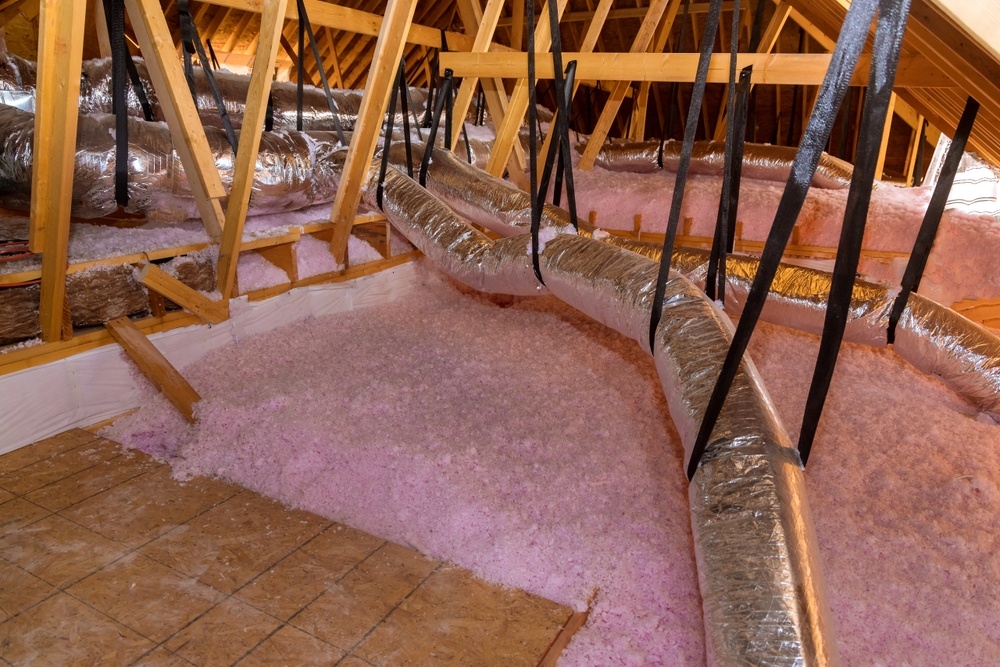
Moreover, employing eco-friendly insulation materials such as recycled fiberglass or cellulose, which comprises recycled paper, further enhances environmental benefits. These materials not only offer excellent thermal performance but also require less energy to produce compared to conventional options like polystyrene. Innovative options such as sheep's wool and cotton insulation are becoming more popular as they are biodegradable and can be sourced sustainably, promoting the overall health of the ecosystem.
Besides direct energy savings and using sustainable materials, insulation plays a pivotal role in prolonging the lifespan of heating and cooling systems. With less strain on these systems, maintenance costs often drop, and appliances last longer, reducing waste and the frequency of replacements. This contributes to less material ending up in landfills, thereby supporting sustainable waste management efforts.
Air quality is another vital consideration when discussing environmental impacts. Properly insulated homes prevent drafts and leaks, which could allow pollutants to enter the house. By maintaining a sealed environment, indoor air quality improves, offering health benefits to residents while also reducing outdoor pollution levels.
Furthermore, investing in quality insulation enhances property value. As sustainability becomes a priority for many homebuyers, properties with superior insulation are more attractive in the real estate market. This can be particularly advantageous for homeowners looking to sell, as they can command higher prices and cater to an increasingly eco-conscious demographic.
In conclusion, quality insulation is a foundational element in creating sustainable homes. Its benefits are far-reaching, from reduced energy consumption and carbon emissions to enhanced air quality and increased property value. For homeowners considering how to make their homes more environmentally friendly, starting with insulation is a strategic investment in the future.
Robinsons Insulation Company LLC stands ready to help homeowners take this crucial step towards sustainability. With expert guidance and a range of eco-friendly materials, we are committed to making your home a model of energy efficiency and environmental stewardship. Turn to Robinsons Insulation for solutions that not only meet your needs but also respect the planet we all share.